
The share of food production among the areas where chitosan is used is unjustifiably small. Internationally, chitosan is used in food production as a thickener and structuring agent for dietary foods intended to help remove radionuclides from the body; to create simple and multicomponent emulsions, sauces, pastes, and edible sausage casings; to clarify beer, juices, and wine; and as an adhesive and bacteriostatic film-forming agent.
In our country, the range of industrial uses for chitosan is even more limited. It is used mainly in the fishing industry to produce canned foods, minced fish, smoking preparations, and sauces. Powdered chitosan is included as dietary fibre in some types of bread. In the Russian Federation, chitosan is still practically unused in the dairy industry.
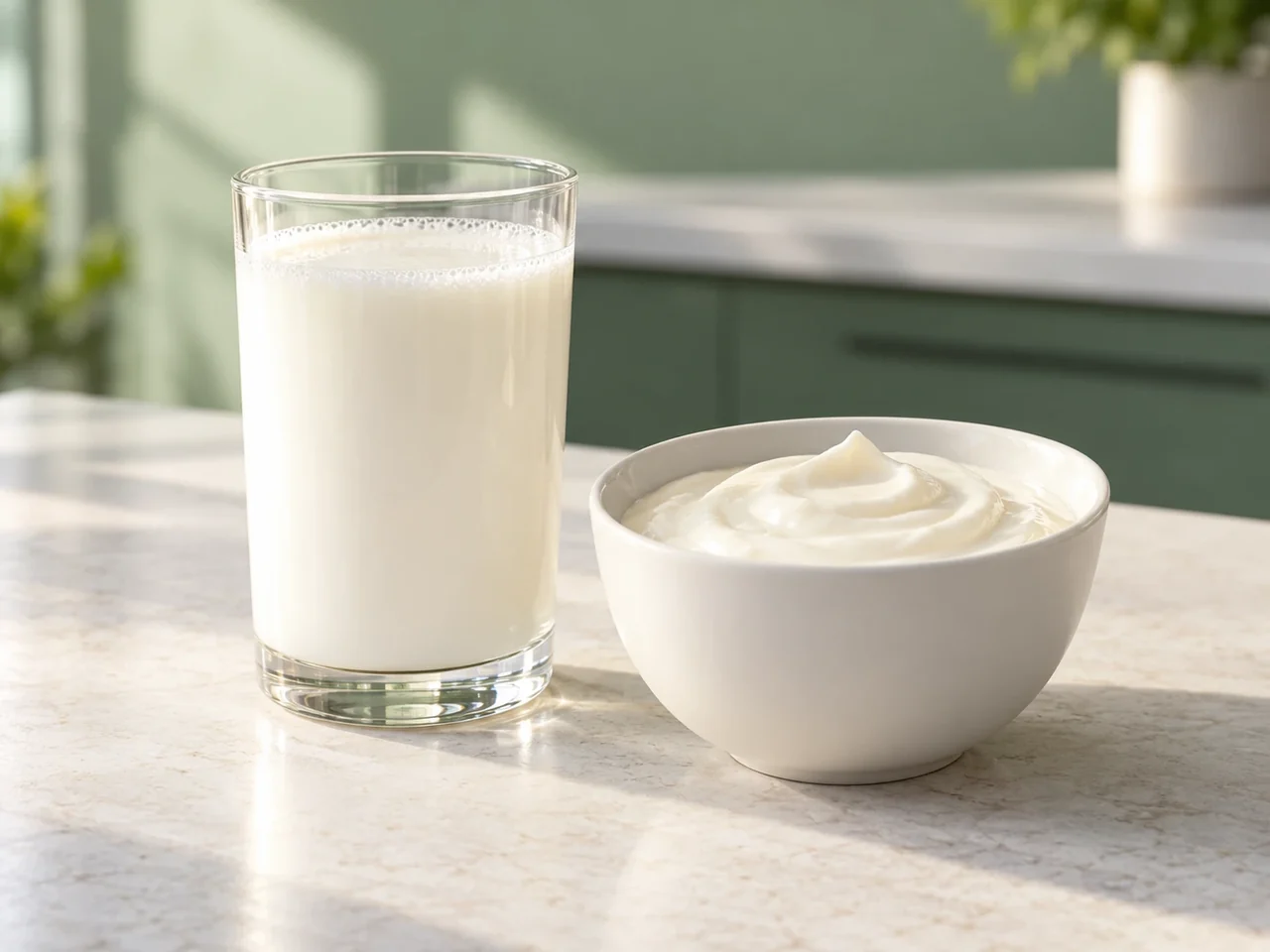
In dairy production, chitosan can be widely used as a functional component in a range of products, including fermented milk products, sour cream, cottage cheese, certain types of cheese, and beverages.
Its high complex-forming activity with proteins in whole milk, skimmed milk, and whey allows chitosan to be used to obtain clarified whey with a low protein content and neutral sensory properties (without an undesirable sharp whey taste or smell), as well as protein or protein-fat masses with a controllable composition and consistency. As a composite structuring agent, this natural polysaccharide can be used to produce fermented milk drinks and sour cream with extended shelf life.