Chitosan's unique range of biological activity includes a number of functions, such as:
normalising triglyceride fractions
normalising cholesterol and bile acids in the body
binding cellular fat
normalising gastrointestinal function
lowering uric acid concentration
accelerating the healing of wounds and ulcers
providing an analgesic effect
interacting with biologically active calcium
stabilising blood pressure
antimicrobial and fungicidal effects
Many of these properties have already found applications in medicine.
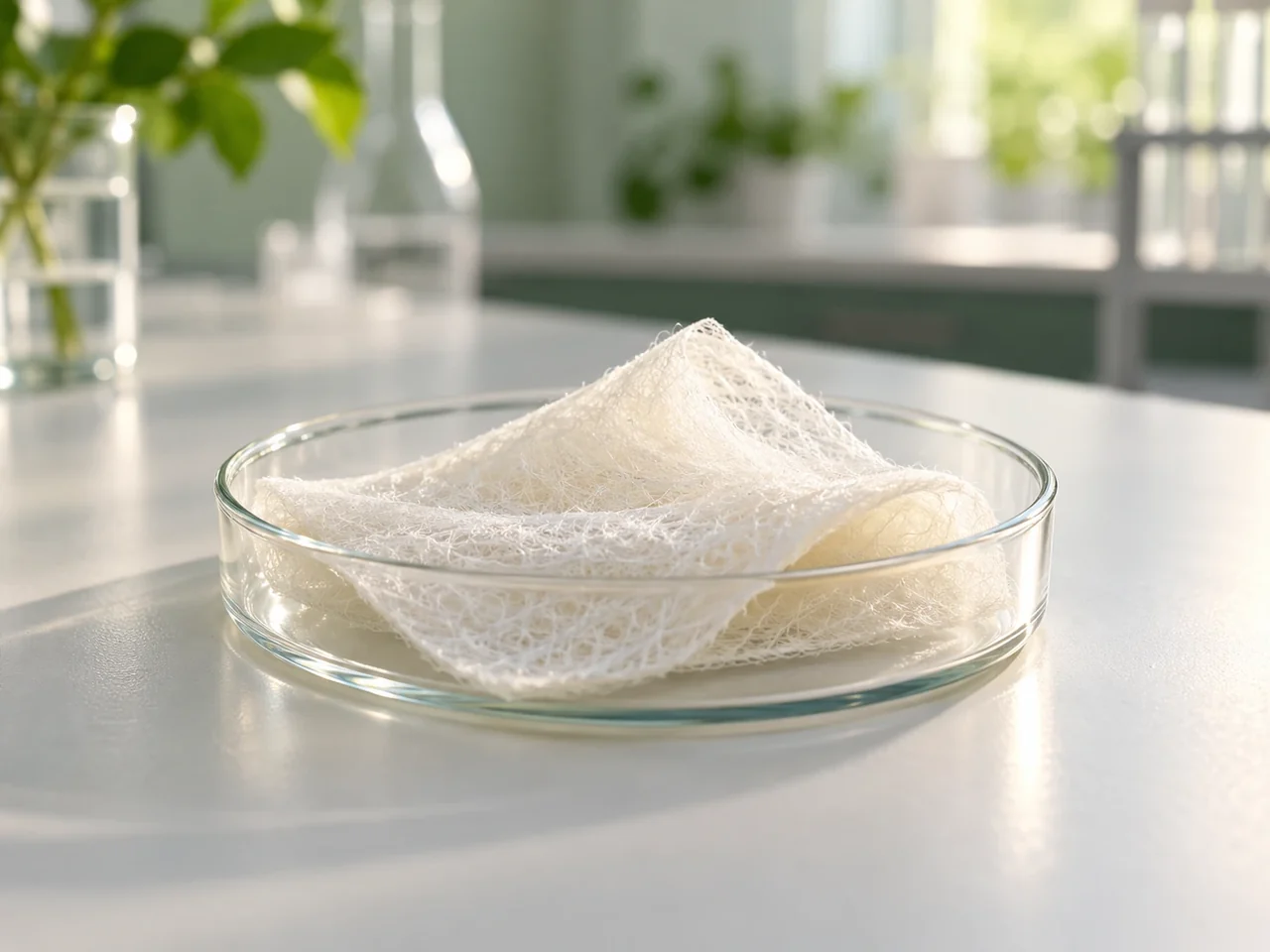
Chitosan's haemostatic properties allow it to thicken blood quickly and may also reduce pain by blocking nerve endings. The armed forces of the United States and the United Kingdom currently use chitosan dressings successfully on battlefields. In plastic surgery, chitosan is used in skin grafting. It promotes faster wound healing and reduces scar formation after plastic surgery.
Chitosan fibres are used as surgical sutures; they are absorbed by the body and do not cause allergic reactions.
In pharmaceutical manufacturing, chitosan is used as a tablet filler. For example, it is used as a carrier in controlled-release medicines. Chitosan's prebiotic properties allow the active ingredients in medicines to be absorbed more effectively.
Chitosan is used to lower cholesterol. It also helps combat anaemia and improves physical strength, appetite, and sleep in people with renal failure. According to specialists at the State Research Centre of Biophysics, chitosan remains the most effective radioprotective agent to this day. Numerous studies have proven its antitumour properties.
When combined with other biologically active substances (citric and ascorbic acids, and vitamins E, K, and A), chitosan increases a person's immune status.
Chewing gum and mouth rinses containing chitosan may reduce the number of oral bacteria that cause tooth decay. Studies have shown the effectiveness of chitosan ascorbate in treating periodontitis.
When combined with chitosan oligosaccharides, familiar foods become functional. Effects observed include joint recovery, hepatoprotection, anti-atherosclerotic action, blood pressure regulation, increased immunity, improved gastrointestinal function, better nutrient absorption, and reduced visceral fat.
After many years of neglecting dietary fibre, more people have recognised its importance for a healthy diet and longevity, and interest in chitosan is growing rapidly.
Application
Chitosan in medicine
Biological effects and medical applications of chitosan.
The publication text is in Russian.