

Development of a koumiss product with a prebiotic
S. G. Kanareikina, Candidate of Agricultural Sciences, Associate Professor, Bashkir State Agrarian University;
V. I. Kanareikin, Candidate of Technical Sciences, Associate Professor, Ufa State Petroleum Technological University.
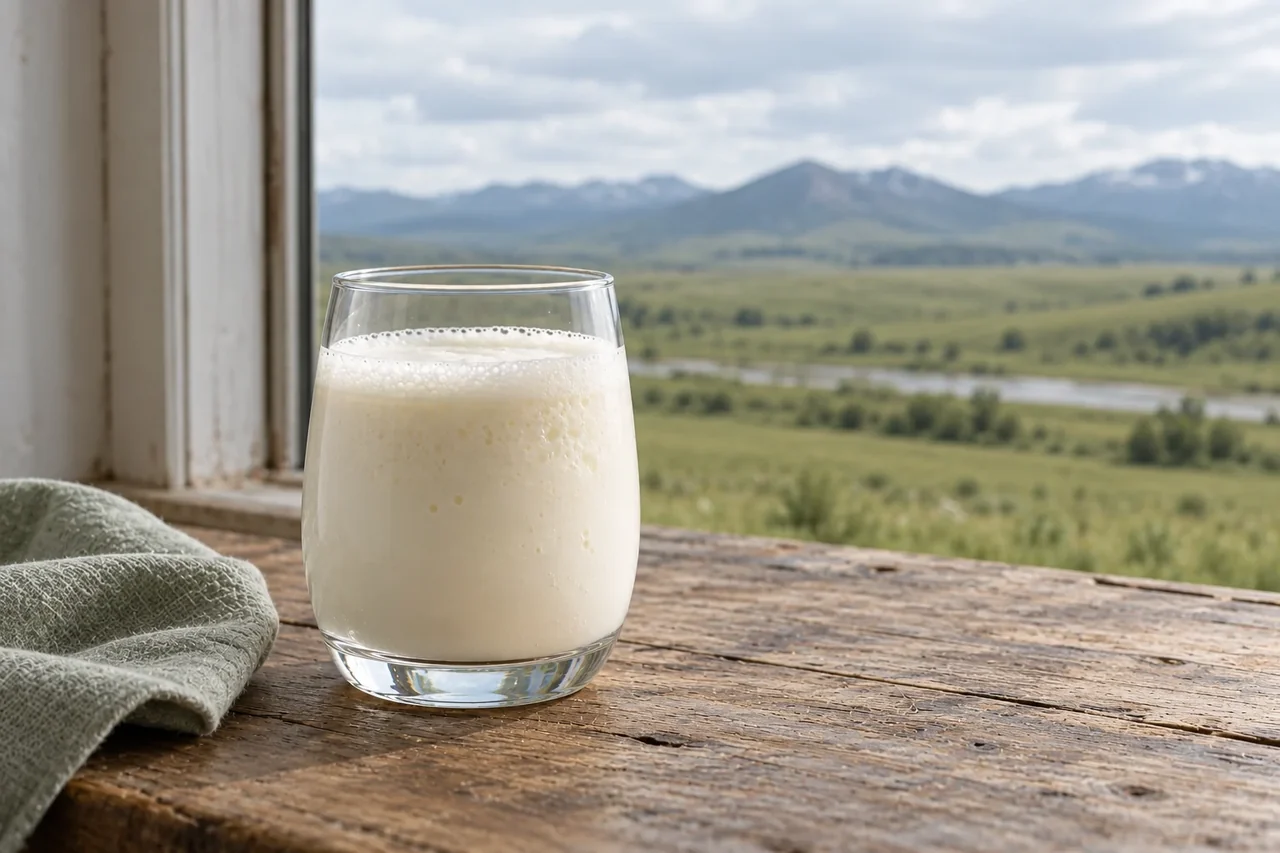
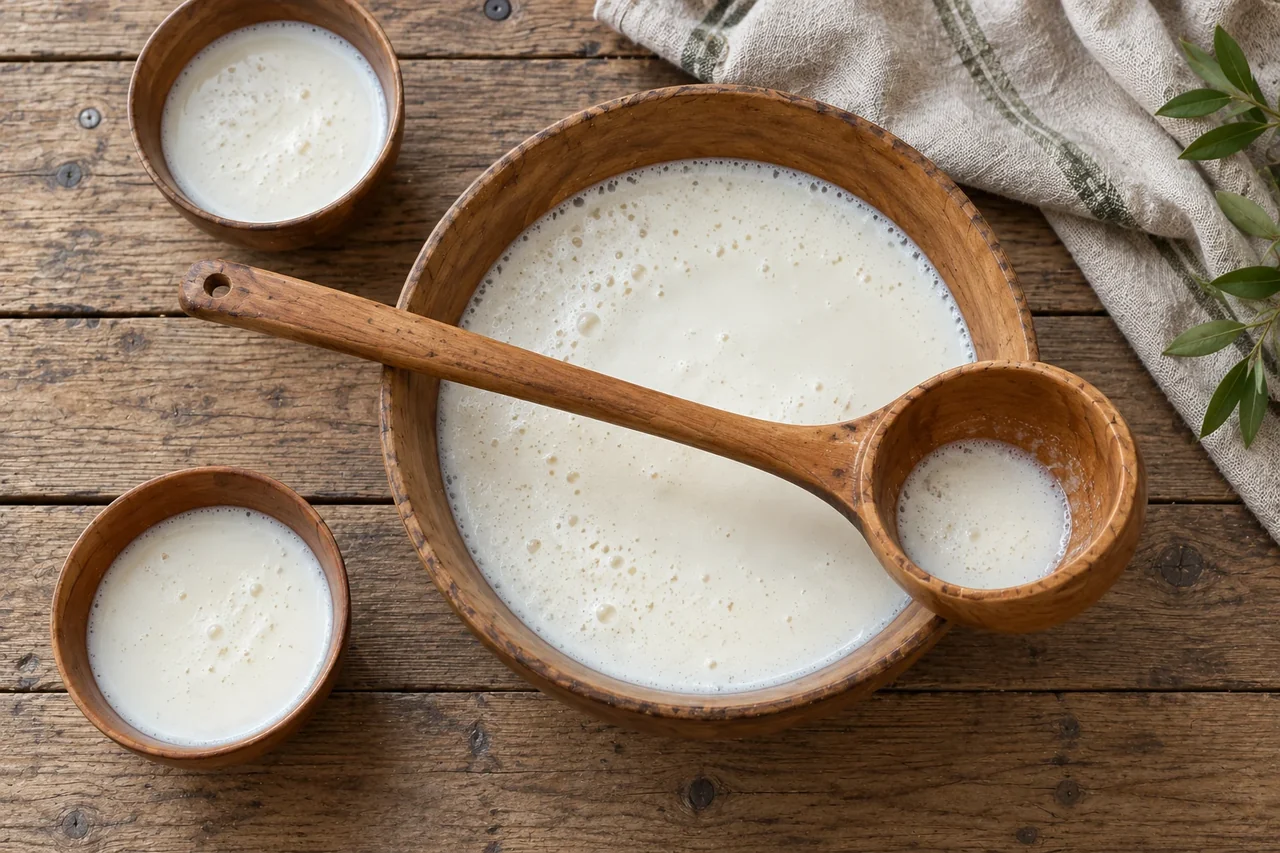
Consuming koumiss made from mare’s milk is presented as an effective approach to improving immunity and promoting health. The drink has admirers among people of different ages and social groups.
The healing properties of koumiss are attributed largely to the high content of unsaturated fatty acids in its fat. These acids dissolve cholesterol and thereby prevent it from depositing on blood-vessel walls. Koumiss is therefore described as a preventive measure against atherosclerosis and related diseases. Mare’s-milk fat is also said to inhibit the growth and development of tuberculosis bacteria. Mare’s milk is considered beneficial for reasons beyond its fat content: koumiss contains nearly all vitamins needed by people—B1, B2, B12, C, D, PP, and others—in amounts many times higher than in cow’s milk. For this reason, koumiss is described as a potent antiscorbutic agent that helps with various vitamin deficiencies. It stimulates secretory activity in digestive-tract glands, increases appetite, aids digestion, benefits blood formation and the nervous system, and reduces inflammation [1, 2].
Koumiss is currently in high demand in medicine as a powerful antimicrobial agent and biostimulant, described as effective in treating a wide range of human diseases and pathological conditions.
This raises a natural question: why, under such favourable conditions, has the production of mare’s milk and koumiss in Russia not developed into a major industry? There are both simple and complex answers. One simple reason is the lack of a tradition of consuming mare’s milk. Another is the lack of public education and advertising, and the limited opportunity for the wider population to learn about mare’s milk and its products because production volumes are small and the products are not widely known.
The objective of the study was to develop a koumiss product enriched with a prebiotic.
Materials and methods
Koumiss has a short shelf life: 120 hours at 2–6 °C. Lactic acid bacteria in koumiss are highly active. Biochemical processes continue in the drink, its acidity rises, and alcoholic fermentation begins.
We studied the use of chitosan oligosaccharides in koumiss production. Chitosan is described as a powerful enterosorbent with many valuable properties for the human body. Adding this prebiotic slows microorganism activity and extends the drink’s shelf life.
The raw materials and the prebiotic-enriched koumiss product were analysed for sensory, physicochemical, and microbiological indicators.
Scientific novelty
The use of chitosan oligosaccharides in food production has not yet been studied sufficiently. The authors state that it has been theoretically substantiated and practically demonstrated that chitosan oligosaccharides have a bacteriostatic effect on the lactic acid microflora of starter cultures.
Chitosan is described as a natural product that regulates physiological functions. It is produced from chitin found in the shells of marine red-legged crabs. Given the additive’s stated beneficial properties and its effect on product shelf life, this area is considered promising, including for koumiss production.
Practical value
Using chitosan oligosaccharides is said to increase the drink’s nutritional value and shelf life. Adding chitosan is also said to improve product quality and reduce acidity during fermentation.
Koumiss is made from mare’s milk by lactic acid and alcoholic fermentation using Bulgarian and acidophilus lactic acid bacteria and yeast. The article describes it as both a valuable supplementary food and a therapeutic and preventive product for several diseases associated with metabolic disorders, particularly pulmonary tuberculosis. Founders of Russian clinical medicine S. P. Botkin and G. A. Zakharin highly valued koumiss’s healing properties [2].
The article states that koumiss treatment has retained its importance in the era of widespread antibacterial medicines because koumiss combines many valuable qualities and biological properties.
The nutritional and healing properties of koumiss are attributed to the physicochemical properties of mare’s milk and to fermentation products—lactic acid, alcohol, and carbon dioxide—as well as the antibiotic properties of its microflora.
Koumiss production has grown steadily in recent years. Russia produces slightly more than 3,000 tonnes annually. Most of it—63%, or over 2,000 tonnes—is produced in Bashkortostan. Despite this, production volumes are insufficient to meet market demand.
We studied extending koumiss shelf life by adding a modern, naturally based prebiotic. The study produced a positive result. The proposed koumiss product contains raw mare’s milk, a production starter culture (Bulgarian and acidophilus lactic acid bacteria and yeast), and a prebiotic.
Study results
A review of previous work led the authors to conclude that chitosan oligosaccharides had not previously been studied in koumiss production.
Combining prebiotics and probiotics is said to produce the greatest physiological effect on the human body and promote the health of intestinal microflora [4].
Sensory assessment found the mare’s milk slightly sweet, without foreign tastes or smells atypical of fresh milk. It was a homogeneous white liquid with a bluish tint and no sediment or flakes. The milk’s physicochemical indicators are shown in Table 1 [5].
Table 1. Physicochemical indicators of mare’s milk.
| Indicator | Result |
|---|---|
| Acidity, °T | 6 |
| Density, kg/m³ | 1032.3 |
| Fat mass fraction, % | 1.1 |
| Protein mass fraction, % | 2.3 |
| Lactose mass fraction, % | 6.2 |
| Solids-not-fat mass fraction, % | 8.56 |
| Cleanliness grade | 1 |
Tests were conducted to determine the dose of chitosan oligosaccharides to add to koumiss, using titratable acidity as the measure.
Table 2 shows results for four samples in which chitosan oligosaccharides were added before fermentation. Each sample was assessed for sensory properties and titratable acidity.
Table 2. Effect of chitosan oligosaccharide dose on the product’s titratable acidity during storage.
| Storage time, days | No additive, °T | 0.02%, °T | 0.03%, °T | 0.04%, °T | 0.05%, °T |
|---|---|---|---|---|---|
| 0 | 77 | 77 | 76 | 75 | 72 |
| 1 | 92 | 86 | 84 | 82 | 79 |
| 2 | 97 | 95 | 87 | 85 | 84 |
| 3 | 100 | 100 | 91 | 88 | 86 |
| 4 | 102 | 102 | 95 | 90 | 88 |
| 5 | 105 | 105 | 98 | 93 | 91 |
| 6 | 107 | 107 | 103 | 97 | 93 |
| 7 | 110 | 110 | 107 | 104 | 97 |
| 8 | 112 | 102 | 100 | 100 | 95 |
| 9 | 115 | 100 | 97 | 93 | 93 |
| 10 | 132 | 105 | 100 | 98 | 98 |
| 11 | 140 | 120 | 105 | 100 | 100 |
| 12 | 145 | 125 | 120 | 105 | 105 |
To identify when to add the chitosan oligosaccharides, experiments were conducted in which the prebiotic was added after acidity reached 68–70 °T. The authors report that the best indicators were obtained when 0.04% additive was added before fermentation. The resulting prebiotic-enriched koumiss had sensory properties similar to traditional koumiss [6].
On day 9, ethyl alcohol content was measured in the samples. The results are shown in Table 3.
Table 3. Ethyl alcohol content in koumiss-product samples.
| Indicator | Before fermentation, 0.03% | Before fermentation, 0.04% | Before fermentation, 0.05% | After fermentation, 0.03% | After fermentation, 0.04% | After fermentation, 0.05% |
|---|---|---|---|---|---|---|
| Alcohol content, % | 2.56 | 1.56 | 0.94 | 3.08 | 2.78 | 2.58 |
The koumiss product containing 0.04% prebiotic retained its qualities for 12 days while maintaining comparatively low acidity and alcohol levels.
Based on the study, the authors conclude that adding chitosan oligosaccharides during koumiss production has a positive effect on shelf life. The drink retains the taste, smell, colour, and consistency characteristic of ordinary koumiss without additives. It retains its beneficial properties for 12 days.
Conclusion
The study examined how adding chitosan oligosaccharides affected the koumiss product’s shelf life and its physicochemical, sensory, and microbiological indicators. It established a prebiotic dose and developed a production process for koumiss enriched with chitosan oligosaccharides.
Patent No. 2553535 for the koumiss product was granted on 20 May 2015 [7].
The stated advantages over similar products are:
- Shelf life was extended to 12 days without preservatives, allowing transport to remote regions.
- Adding an additional component increased the product’s nutritional and biological value.
The new koumiss product is intended for therapeutic and preventive purposes; the authors express hope that it will become popular alongside juices, cocktails, and other drinks.
References
- Gladkova, E. E. Koumiss—a healing drink. Properties and production technology. Divovo: VNIIVI edition, 2005, 55 pp.
- Gladkova, E. E. Characteristics of the cultures included in koumiss starter. Horse Breeding and Equestrian Sport, 2011, No. 3, pp. 26–27.
- Milk and dairy products. General methods of analysis. Collection of state standards. Moscow: Standards Publishing House, 2001, 300 pp.
- Tikhomirova, N. A. Current state and prospects for functional food products. Dairy Industry, 2009, No. 7, p. 5.
- Raw mare’s milk. Technical specifications: GOST R 52973-2008. Effective 1 January 2010. Moscow: Standartinform, 2009, 9 pp.
- “Bashkir Traditional” koumiss. Technical specifications: STO 26801217–010–2010. Effective 1 March 2010. Ufa: Bashsert LLC, 2010, 17 pp.
- Patent No. 2553535 RU, A23C9/27, 9/13. Koumiss product. S. G. Kanareikina, V. I. Kanareikin, I. A. Akhatova, A. T. Timerbulatova. Application 2014120589, filed 27 March 2007, registered 20 May 2015.
Author information
UDC 637.146.23.087.73.8
Svetlana Georgievna Kanareikina, Candidate of Agricultural Sciences, Associate Professor, Department of Meat and Milk Technology
Bashkir State Agrarian University
34 50 Let Oktyabrya Street, Ufa, Republic of Bashkortostan 450001, Russia
e-mail: kanareikina48@mail.ru
Vladimir Ivanovich Kanareikin, Candidate of Technical Sciences, Associate Professor, Department of Applied and Natural Sciences
Ufa State Petroleum Technological University
1 Kosmonavtov Street, Ufa, Republic of Bashkortostan 450000, Russia
e-mail: kanareikina1948@mail.ru
Development of a koumiss product with a prebiotic
The article presents research results on developing a koumiss product enriched with chitosan oligosaccharides. The dose and stage for adding the prebiotic to mare’s milk were established, and a positive effect of chitosan oligosaccharides on shelf life was reported. The koumiss product retained sensory characteristics typical of traditional koumiss for longer, making it possible to transport it to remote regions.
Keywords: koumiss product, chitosan oligosaccharides, prebiotic, mare’s milk.
Information about the authors
UDC 637.146.23.087.73.8
Kanareikina Svetlana G., Candidate of Agricultural Sciences, Associate Professor of Meat and Milk Technology
Bashkir State Agrarian University
34 50 Let Oktyabrya Street, Ufa, Republic of Bashkortostan 450001, Russia
e-mail: kanareikina48@mail.ru
Kanareikin Vladimir, Candidate of Technical Sciences, Associate Professor of Applied and Natural Sciences
Ufa State Petroleum Technological University
1 Kosmonavtov Street, Ufa, Republic of Bashkortostan 450000, Russia
e-mail: kanareikina1948@mail.ru
Development of a koumiss product with a prebiotic
This article reports research into a koumiss product enriched with chitosan oligosaccharides. It identifies the dose and stage for adding the prebiotic to mare’s milk and reports that the oligosaccharides extended shelf life. The product retained the sensory characteristics of traditional koumiss for longer, allowing it to be transported to remote regions.
Keywords: koumiss product, chitosan oligosaccharides, prebiotic, mare’s milk.